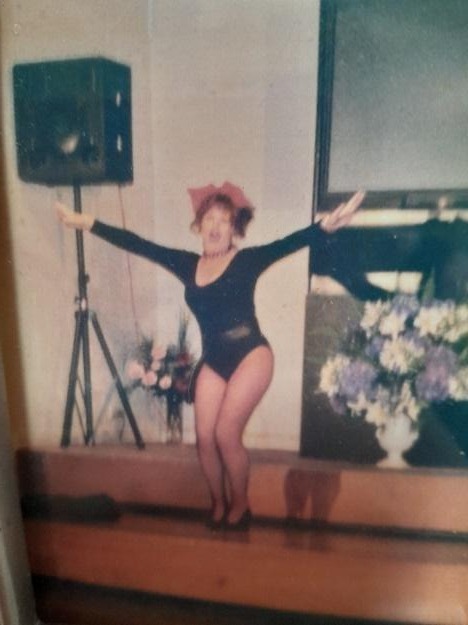
Dianne Glover has lived and breathed everything and anything to do with hair and the industry surrounding it. Di grew up treasuring and pampering her own hair, and her four little sisters all looked forward to her brushing their long hair each night before bed. She would stress to them of the importance of a lovely well-maintained coiffure. It’s the first thing people notice, and would tell them HAIR IS EVERTHING, also letting them know not to be a slave to it, so it was not surprising hairdressing was the career she pursued after leaving school.
Hairstyles have evolved dramatically over the last six decades and Dianne has been involved in the industry through it all. She is privileged to have undertaken her apprenticeship in the early sixties when hairdressing was very exciting and way more creative, with the styles bolder, more voluminous and the higher it built up the better.
To obtain the height, hair needed backcombing (teased) and plastered with lacquer to hold it in place. As damaging as that may sound it wasn’t as harsh as methods used today to get the required result.
Clients in the ‘60s had regular weekly appointments booked with their preferred stylist, the staff columns in the salons appointment book were booked out, that’s not to say there was never the odd quiet time when they could let their own hair down, perhaps do each others hair or put on fun music and do what came naturally.
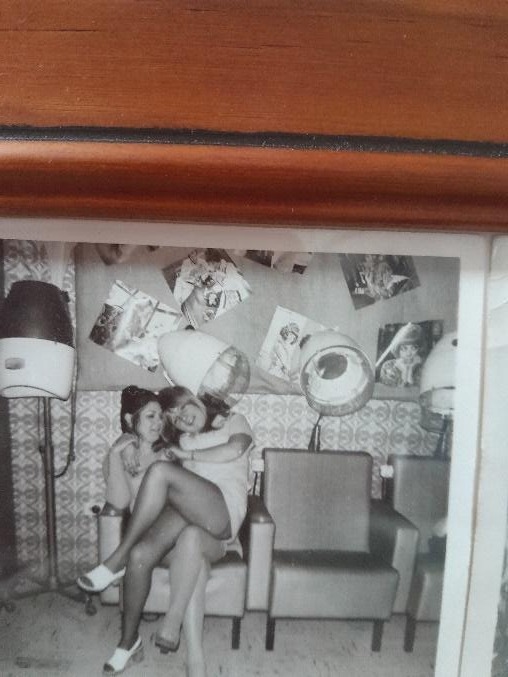
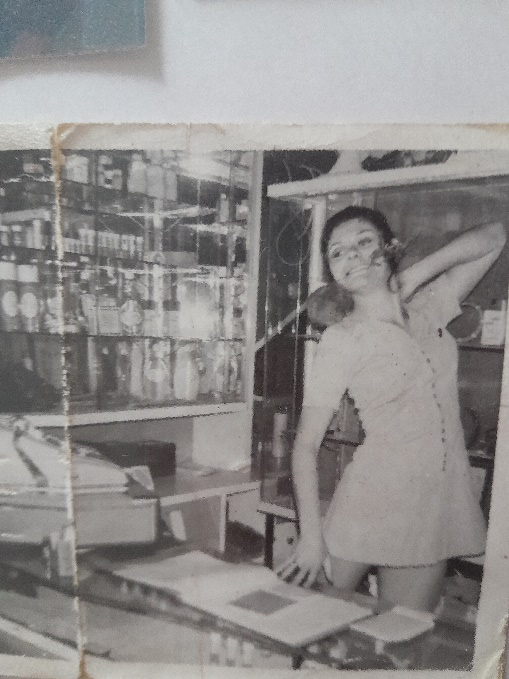
Another novelty unique to the ‘60s was how women protected their hair at night by wrapping a scarf around their head, or some other form of protection – even satin nickers were used to keep every hair in place.Most women never had to touch their hair because it was so glued with lacquer before they left the salon that once a week did the job. A bit different to ladies today using hot irons on their hair daily, which causes heat stress and damage.
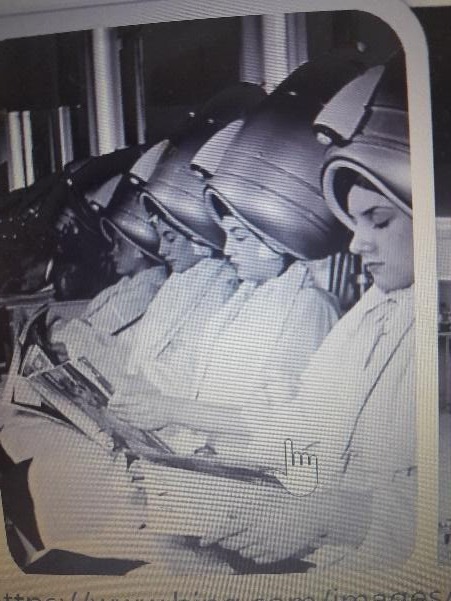
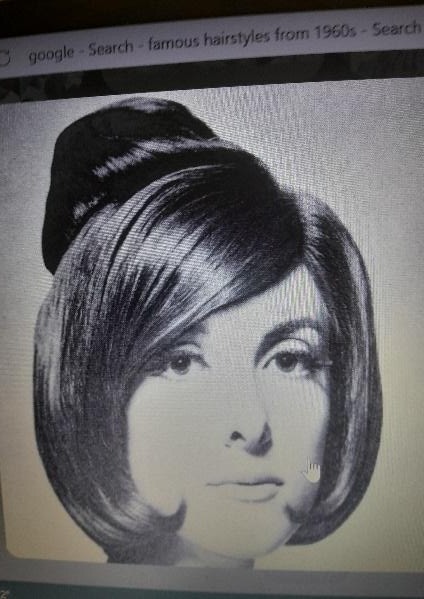
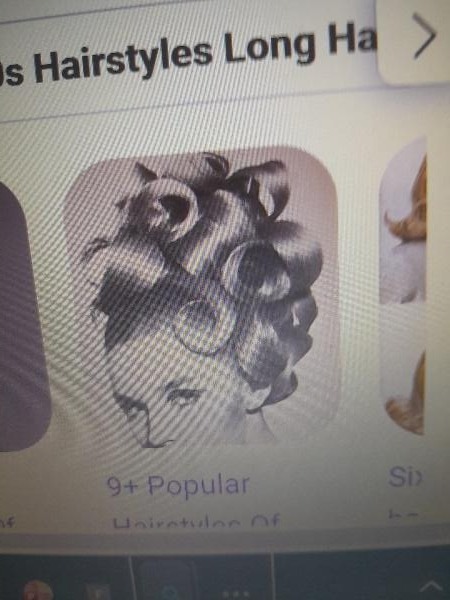
The point being the tools used back in then were kinder to hair than today’s, but the products of today make up for yesterday’s harsh chemicals used in 60s, 70s even 80s, tints bleaches and semi- permanent rinses.

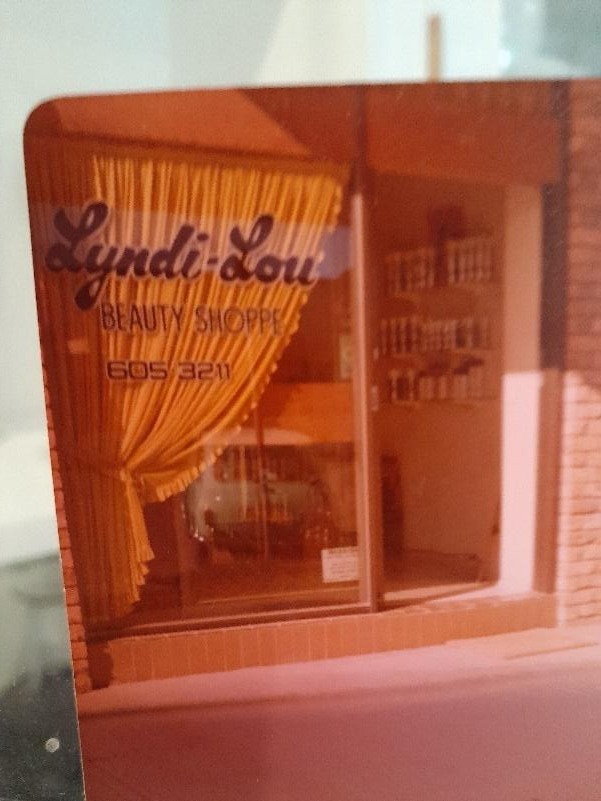
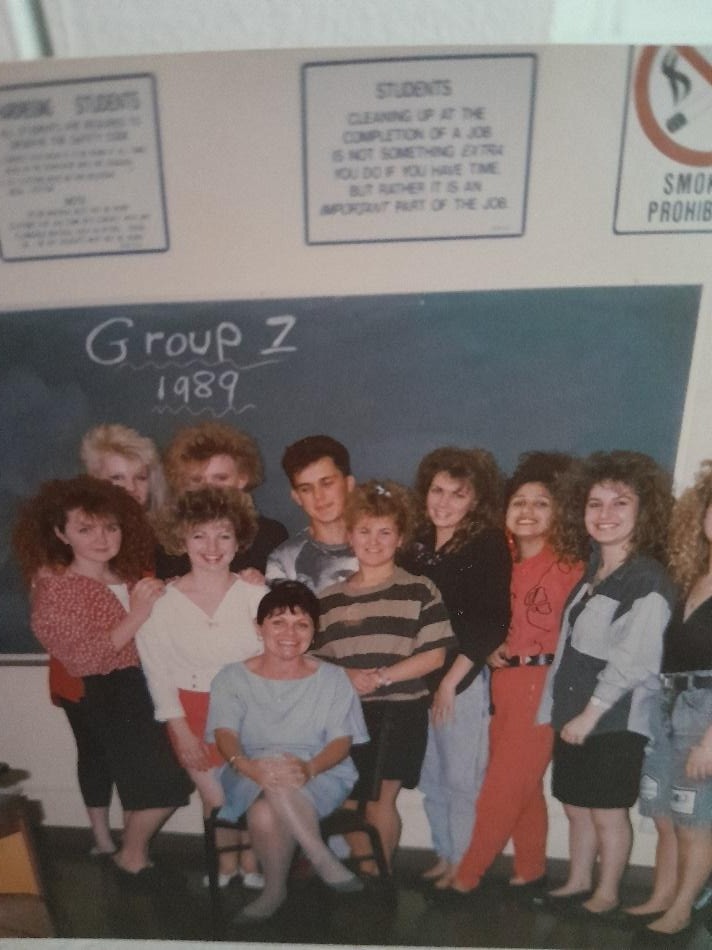
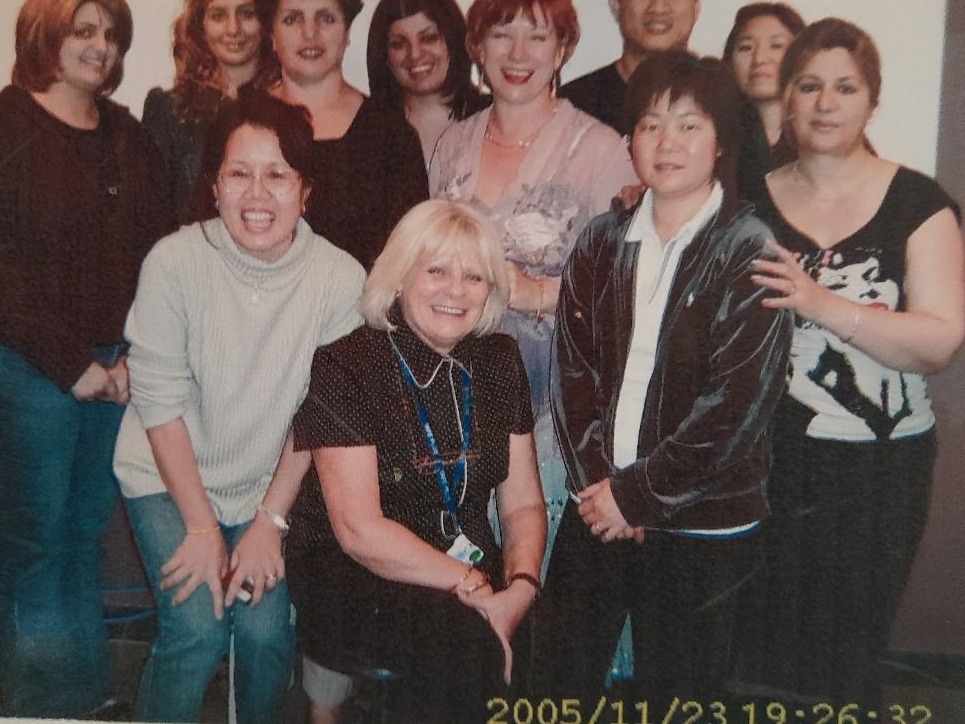
There was a gap between the years 1968 to 1974 where Dianne married, had her family, girl first in ‘69 two boys followed in ‘72 and ’74, when she was a full- time mother and home maker. By the end of the 70’s her young family were all school age leaving her free to open her own salon. It thrived, teaching her more about the industry, but despite having a staff of six, including herself, it was impossible to get a break – clients expected Dianne’s presence and attention all the time. As flattering as that was, she found it mundane and needed more from her craft: that was where TAFE entered her life, she loved teaching the next generation the trade she loved.
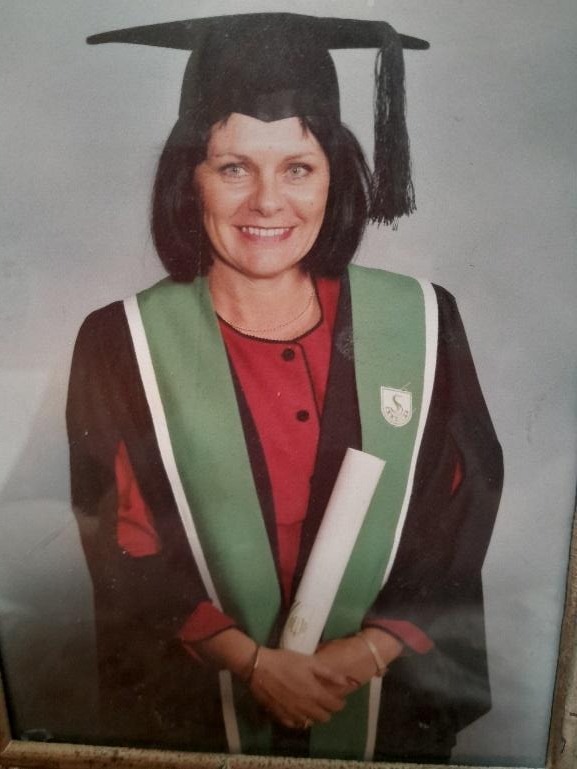
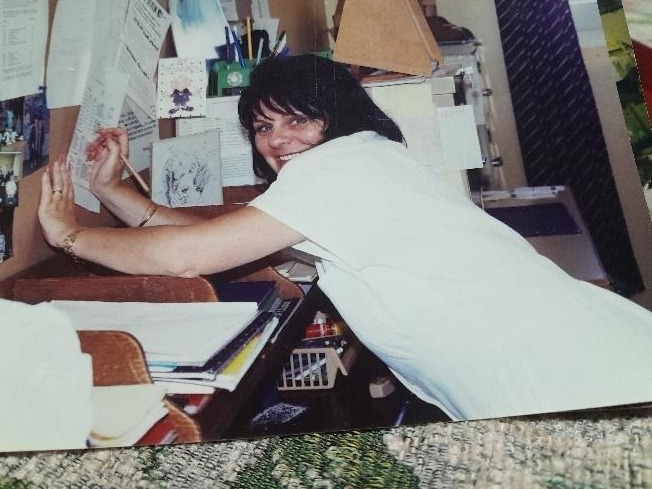
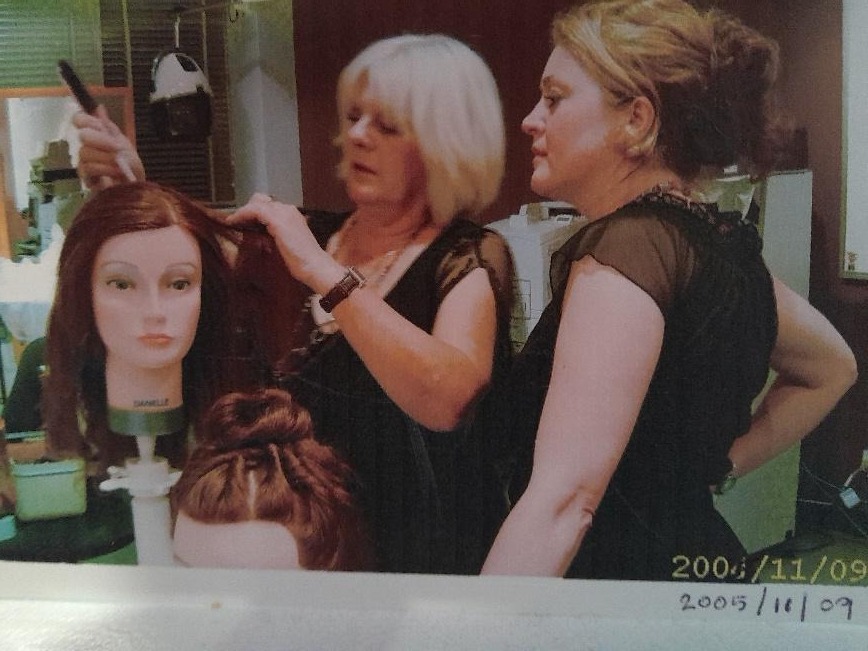
Teaching was wonderful, another career still involving her passion. There was no time for repetition, different students daily and new students annually. As a Tafe teacher she excelled, learning more about herself and because it was necessary to break everything down step-by-step for the benefit of apprentices, (for example, cutting, blow-drying, colouring, perming), it never occurred to her how many steps it took because for her it flowed naturally.
She never forgot the first class she taught was a Stage 2 Science Theory lesson. Nervous as to how she would fill four hours of one topic and keep it interesting, she spent the night before breaking it down into mini quizzes. It worked well.
The first two years flew by fast. Teaching and teacher training were full-on but now weekends were free, so some recreation and fresh air made sense.
Not one to sit idle, she decided to join her husband on the golf course as a beginner and found it invigorating to be out in the open getting exercise and learning a new skill – another challenge to conquer.
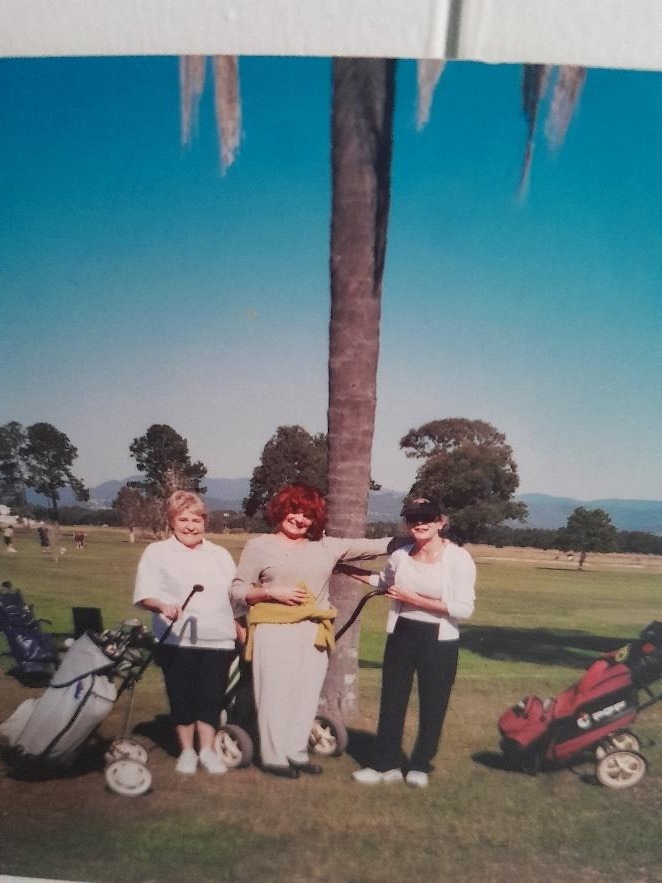
When the game was over, the clubhouse was especially interesting.While they sat enjoying beverages in the late hours of Saturday afternoon, the club captain rang his bell to quieten the room and bar area (that was full of the men who had played their regular Saturday competition drinking and socialising) waiting for him to announce the results of the day.
Social golf was satisfying enough, and by her mid-forties new land was released on the golf course estate, so she and her husband purchased a large block backing onto the tenth fairway, which was very close to the clubhouse and opening a new chapter.
They sold the family home in the next suburb, after living in it for twenty plus years, and built a new home on their block that allowed access onto the golf course. That’s when Dianne decided to get serious about the game and joined the ladies competition golf on Tuesdays, (LADIES DAY) changing her rostered day off at Tafe from Fridays to Tuesday, a perfect arrangement – but first a handicap had to be established. Easy enough, although she had never been a sporty type but knew how to play well enough to be placed into division three.
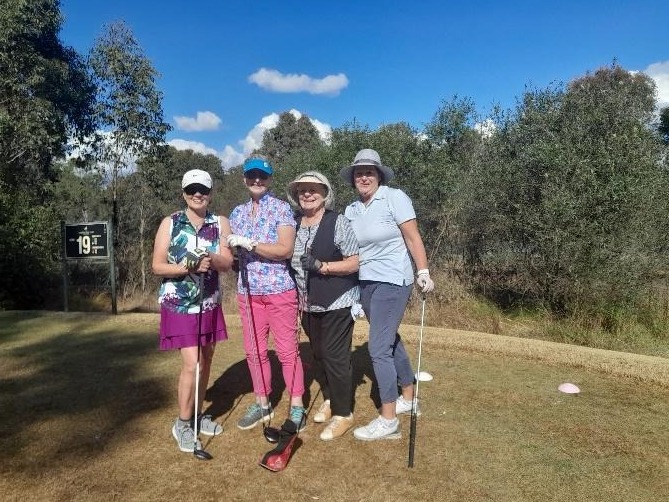
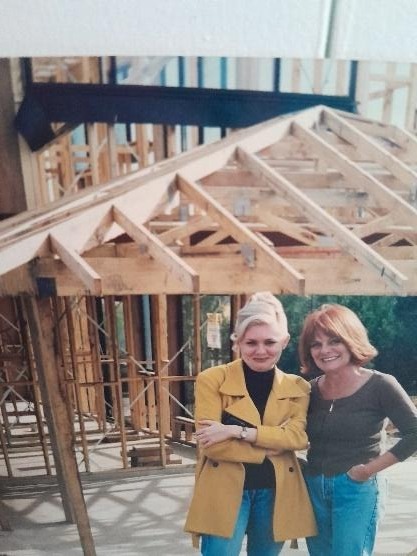
Golf, and her golf buddies, plus the social events they shared, became a large part of her existence. She improved her game and had some success as did all her girlfriends, sharing the limelight from time to time.
Tuesdays were so much fun she felt blessed. Her career and recreation came together, and another bonus was producing entertainment on presentation nights annually with the talented ladies she played with. Producing entertainment was easy as she had been doing it for Tafe with students for many years, but in her opinion her biggest achievement at the golf club was being elected the first lady onto the board of directors.